 AI Web Marketing Tools
Local backlink finder for real estate agents: earning links with neighbourhood guides
The local backlink finder for real estate agents locates the community groups, local guide sites and relocation writers most likely to link to your neighbourhood guides. It drafts each request for you to send and keeps every figure in your guides accurate.
Find guest post sites for your trade
Real estate agents compete for the same searches as the big property portals, and the portals usually win the broad ones. Where an agent can win is in the neighbourhood searches, such as homes for sale in a particular suburb or what it is like to live there. Those searches favour pages that know the area deeply and that local websites link to. A genuinely useful neighbourhood guide is one of the few pieces of content that schools, community groups and local journalists will happily link to. Each such link tells search engines that the agent is a trusted local source. This guide explains how to write guides that earn links and how to turn those links into enquiries.
Why neighbourhood pages beat the portals locally
Property portals have huge authority but thin local knowledge, because their pages are generated from listing data. A buyer wondering which streets are quiet, how far the station is or where families gather finds little help there. An agent who lives and works in the area can answer those questions with real detail. Search engines increasingly reward that kind of first hand knowledge on local queries. When local sites link to the agent's guide, the page gains the authority it needs to rank. Local depth is the one advantage portals cannot copy, so it is where an agent should invest.
What makes a guide worth linking to
Most agent guides are short lists of restaurants and parks that nobody needs to link to. A guide worth linking to answers the questions newcomers actually ask, with facts they cannot easily find elsewhere. That includes school catchments, commute times at rush hour, typical prices by street, local clubs and upcoming developments. Original photos of the area add warmth and prove the agent has been there. Updating the guide every year keeps it accurate and gives a reason to share it again. Usefulness is what earns links, so the guide should be the best page about the area on the web.
Who links to a good guide
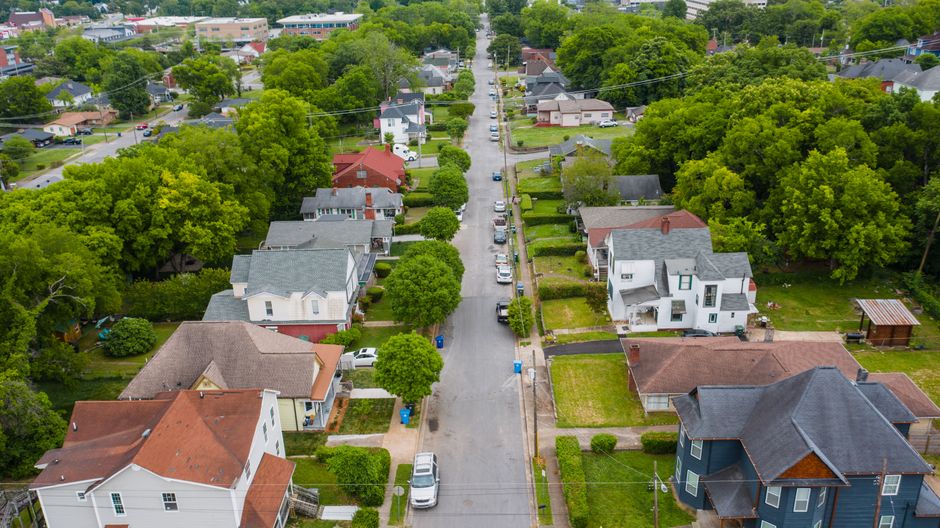
Several kinds of local website have reasons to link to a strong neighbourhood guide. Community associations and residents' groups often keep a page of useful local resources. Schools and nurseries sometimes link to guides that help families moving into the area. Local clubs, markets and events appreciate being featured and may link back when told about it. Relocation pages of local employers can point new staff to a helpful guide. Each of these links comes from a site that search engines associate with the area, which is exactly what an agent needs.
Asking for the link politely
Links rarely arrive on their own, so a short, friendly request is part of the work. The message should name the guide, explain what it covers and why it might help the site's readers. Mentioning that the club or school is featured gives the request a natural reason. Asking for a link in a busy, pushy tone usually fails, while a helpful offer often succeeds. Following up once after a week is polite, but more than that becomes a nuisance. A personal, local request is far more effective than any template blast.
The table below lists the local sources that commonly link to neighbourhood guides and what makes each one say yes. It is a starting map for an agent's first quarter of outreach. Some sources will not fit every area, and others will appear that are unique to it. The last column suggests the simplest reason to offer each one. Working through the rows steadily usually brings a handful of strong links within a few months. Use it to plan which guide to write first.
| Local source | Why it might link | The reason to offer |
|---|---|---|
| Residents' association | A resources page for members and newcomers | An accurate, current area guide |
| School or nursery | Helping families who are moving in | Catchment and commute details |
| Local club or market | Being featured in the guide | A fair description and photo of them |
| Employer relocation page | Helping new staff settle | Practical guides to nearby areas |
| Local news site | Market comment or a community story | Accurate, quotable local insight |
Linking the guide to your listings
A neighbourhood guide earns authority, but the agent also wants that authority to reach the pages that win instructions. Each guide should link to the agent's current listings in that area and to a page about selling there. Those internal links pass part of the guide's strength to the pages that bring enquiries. A clear invitation at the end of the guide, such as an offer of a home valuation worded to the agent's rules, turns readers into leads. The guide should never become a sales page, because that would stop others linking to it. Balancing helpfulness with a clear next step makes the guide both linkable and profitable.
Keeping figures accurate
Neighbourhood guides often include prices, school ratings and travel times, and every figure must be right. Readers make big decisions on this information, and local sites will not link to a guide they find unreliable. Prices should come from the agent's own sales or from public data, with the date clearly shown. School information should point to official sources rather than rumour. Updating the figures each year keeps the guide trustworthy and gives a reason to tell linking sites about the new edition. Accuracy is both an ethical duty and the foundation of the guide's value.
One guide at a time
An agent covering ten neighbourhoods should not try to write ten guides in a month. Starting with the area that brings the most valuable instructions focuses the effort where it pays. A single strong guide with five local links will outperform ten thin guides with none. Once the first guide ranks and brings enquiries, the method can be repeated for the next area. Each new guide benefits from the authority the earlier ones built. Steady, focused work produces a portfolio of guides that dominate the agent's local searches.
How the tool helps an agent earn these links
The AI Backlink Builder locates the local sources around each neighbourhood, from community groups to local guide sites, and drafts each approach for the agent to send. It writes community guides in a helpful local style and leaves the final wording and every figure to the agent. It also spots mentions of the agent that carry no link and drafts a polite note asking for one. Market figures come only from the agent's own sales or public data the agent confirms, and the tool never invents a statistic. Nothing is sent without the agent's approval. The AI backlink builder for real estate agents page covers the other link sources that work alongside guides.
Seeing which guides pay
The value of each guide shows in the searches its neighbourhood pages win and the enquiries that follow. Tracking the guide's position for searches like living in the area or homes for sale there shows its progress. Valuation requests and viewing enquiries from the guide's pages show whether readers become clients. Comparing neighbourhoods reveals which guides deserve an update or more outreach. These results also guide which area to write about next. The AI backlink builder reports the links gained and the pages they lift each month.
Start with your strongest neighbourhood
Every agent knows one area better than any portal, and that area is the place to begin. Describing the agency and the neighbourhoods it covers in a few sentences lets the tool start its reading in about a minute. The reading shows the searches worth winning and the competitors holding them today. From there the tool can find the local sources most likely to link to a guide. A first guide with a handful of local links can lift an agent above the portals for that area. Local knowledge, written well and shared kindly, is the agent's most durable advantage.
Questions about the local backlink finder for real estate agents
- Why do neighbourhood guides earn links for agents?
- Local groups and writers link to useful, accurate guides about the areas they cover.
- Who links to a real estate neighbourhood guide?
- Community groups, local news, relocation blogs and businesses that serve newcomers.
- How should an agent ask for a link?
- Politely and briefly, explaining why the guide helps their readers.
- Should neighbourhood guides link to listings?
- Yes. Guides should lead readers to your listings and valuation page.