 AI Web Marketing Tools
AI blog writer for roofers that earns trust long before the inspection
The AI blog writer for roofers turns the questions homeowners ask about leaks, storm damage and new roofs into clear guides. It suggests five titles and an outline for any topic, then writes the full guide from your own facts, so cautious homeowners learn to trust your company first.
Plan a blog post for your trade
Choosing a roofer feels risky to most homeowners. They worry about overpaying, poor work and companies that vanish after a storm. So they read, comparing what different roofers say about leaks, materials and inspections. The roofer whose guides answer honestly becomes the one they trust enough to call. The AI blog writer for roofers turns your experience into those guides without taking time from the crews.
Why homeowners research before they let anyone on the roof
A new roof is one of the largest bills a household faces. That alone makes homeowners slow and careful. Storm chasers and high pressure sales make them more suspicious still. They look for a company that explains rather than pushes. Helpful guides are the clearest proof that your company explains.

Homeowners also search to understand what they are seeing. They want to know if granules in the gutter matter or if a stain on the ceiling means a leak. A guide that answers calmly turns a worried search into a booked inspection. It also positions your company as the expert rather than one bid among many. That advantage carries all the way to the signed contract.
How the writer shapes a roofing guide
Start with the writer above, giving it a topic, your trade and your town. Try something like how to tell if hail damaged your roof. It suggests five titles and outlines the first one, so you can see the sections. Comparing a few topics shows which guides your homeowners need most. None of this touches your website.
An account writes the full guide, 900 to 1200 words, using half of one AI credit. It follows the outline and draws on the facts you give about your materials, warranties and crews. It explains what a homeowner can safely check from the ground and when a roofer must look. You read it, add the details only your crews would know and approve it. Only approved guides go anywhere.
Honest guides that separate you from storm chasers
Honesty is the strongest marketing a roofer has. The writer never invents prices, warranty terms or insurance outcomes. It explains how costs usually vary, such as with pitch, material and access, without quoting figures you did not give. It also tells readers never to climb onto a roof themselves. Guides like this read as advice, not sales.
Clear guides also protect you from unrealistic expectations. A homeowner who has read how inspections work arrives with better questions. They understand why one roof needs repair and another needs replacement. That makes estimates easier to explain and contracts easier to sign. Your crews then start each job with a customer who trusts them.
Linking guides to repairs, replacements and inspections
Every guide should point readers to the service that solves their problem. A guide on leak signs links to your roof repair page. A guide on aging shingles links to replacement, and a storm guide links to inspections. Homeowners ready to act click through, and Google learns which roofing page leads. Guides without them leave readers informed but unbooked.
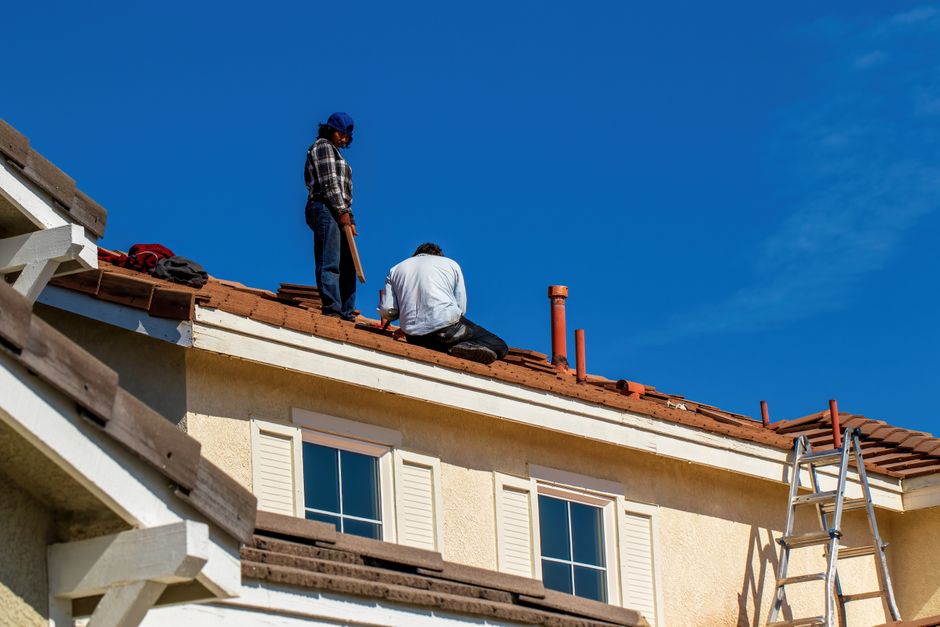
Repairs, materials and storms each get their own shelf of roofing guides. Homeowners wander from one guide to the next, and search engines notice the depth. After every storm, the storm shelf is ready to send to anyone who calls. The AI blog writer connects each guide to the page it supports and refreshes older guides as they age. Your best guides keep earning year after year.
How a roofing blog strengthens your other marketing
Guides give your crews and office something useful to send. After an inspection, a link to a guide on repair versus replacement helps a homeowner decide. Storm guides make timely social posts when weather warnings arrive. The AI marketing for roofers plan ties guides, reviews and listings together so each one helps the others. Over time, your company becomes the obvious local authority.
Many roofers start with a few storm and material guides before adding other tools. Review requests and social posts often follow, built from the same guides. Each step builds on content you already own. See how AI for web marketing connects every step on our homepage. Each tool stays off until you turn it on.
Plan your first roofing guide today
Ask your estimators which roof question homeowners raise on almost every inspection. Put that question in the box above, select roofers and name your service area. Choose the strongest of the five headlines and look through its plan. Your next guide now has a shape before anyone climbs a ladder. Most roofing companies fill a season of guides during one rainy morning.
A roofing trial comes loaded with 3 AI credits, enough for six finished guides at half a credit apiece. When guides start turning into booked inspections, Pro keeps them coming for $29 monthly. Each month Pro adds 20 AI credits for storm guides, material comparisons and the rest of your plan. Homeowners in your area are reading about roofs this week. Put their most common question in the box above.
Questions about the AI blog writer for roofers
- What do homeowners want to read before hiring a roofer?
- They want honest answers about cost factors, materials and how to spot real damage. Guides that explain these plainly help them feel safe choosing you.
- Should a roofing blog cover insurance claims?
- Yes, as general information about how the process usually works. Avoid promising claim outcomes, and invite readers to an inspection for their own roof.
- Do material guides help a roofer rank?
- They do, because people search for metal, shingle and flat roof comparisons. A guide on each links naturally to your matching service page.
- How often should a roofing company publish?
- One or two guides a month is plenty. Publish storm guides before your local storm season so they are ready when searches rise.