 AI Web Marketing Tools
AI search visibility checker for dentists: how a dental practice gets recommended by ChatGPT and AI search
The AI search visibility checker for dentists asks ChatGPT, Gemini and Perplexity the questions patients ask about treatments near them, and records whether your practice is named. It then shows what assistants cannot read on your website and writes the treatment facts, listings and pages that help them recommend you.
Check whether AI search engines can find your website
ChatGPT, Perplexity, Claude, Google and Copilot asked as their own bots, and five pages scored for what an AI can quote.
A nervous parent no longer types "dentist near me" and scrolls, because many now ask ChatGPT for a gentle dentist who is good with anxious children in their part of town. The assistant answers with two or three practices by name, a line about each, and often nothing else. The practice that appears in that short answer gets the call, while every other practice in the area is invisible for that family. Dental practices are especially exposed to this shift, since patients describe their situation in detail and expect a specific recommendation in return. The good news is that the signals AI assistants use can be read, measured and improved by any practice willing to do the work. This page explains those signals for dentistry and shows how to make your practice the one patients hear about.
How patients ask AI assistants to choose a dentist
Patients rarely ask an assistant a two word question, because they describe the problem they actually have. A typical request names a treatment such as implants, a feeling such as fear of the drill, a family situation and a neighbourhood, all in one sentence. The assistant then searches the web for practices that match each part and writes an answer that explains why it chose them. A practice that only says "general and cosmetic dentistry" on its homepage gives the assistant very little to match against such a detailed request. A practice with clear pages for each treatment, each patient group and each place it serves gives the assistant exactly what it needs. The way patients ask therefore decides what your website has to say.
Different questions also reach different engines, which matters when you plan the work. ChatGPT searches the Bing index for most local requests, so a practice that ranks well on Google but poorly on Bing can be missing from its answers. Google's AI Overviews and AI Mode lean on the pages that already rank in Google's top results and on your Google Business Profile. Perplexity draws heavily on review sites, forums and video, where patients discuss their experiences openly. Being named across all of them requires the same facts to appear consistently in each of these places. A practice that understands this spread can stop guessing and start covering the sources each engine trusts.

What an assistant needs to read on a dental website
The most important page is often not the homepage but the treatment page that matches the patient's question. An implant page should open with a short, plain answer covering what the treatment involves, who it suits and how your practice delivers it. It should state real facts such as the number of implants your clinicians have placed, the technology you use and the financing you accept. Questions patients ask about cost, pain, recovery time and the number of visits deserve their own headings with direct answers beneath them. These answers become the passages an assistant can lift and quote when someone asks about implants in your area. A treatment page written this way serves the anxious reader and the assistant at the same time.
Facts about the practice itself matter just as much as facts about treatments. Assistants look for the dentists' names and qualifications, the insurance plans you accept, your opening hours, whether you see emergencies and whether you treat children. When these facts are buried in images or scattered across pages, the assistant may not find them at all. The AI Search Visibility Checker checks each of these pages, scores how easily its answers can be lifted and writes the missing answer blocks and question headings for you. It never invents a qualification, a price or a number, so every fix rests on facts you have confirmed. Clear facts are what allow an assistant to recommend your practice with confidence.
The review and listing sites that shape dental answers
Patients trust other patients, and assistants know it, so review sites carry heavy weight in dental recommendations. Your Google reviews matter most, but assistants also read Healthgrades, Zocdoc, Yelp and the profiles insurers publish for their networks. Reviews that mention specific treatments, gentle care or short waiting times give the assistant precise reasons to name you for matching requests. A practice with plenty of recent reviews that describe real experiences is far more likely to be recommended than one with a handful of old ratings. The AI Review Management Tool in the same account asks each patient for a review a few days after their visit, which builds that steady flow. Reviews are where patient trust and AI trust meet.
Listings are the other half of the outside picture, and dentistry has its own set. Your practice should appear with identical details on the major health directories, the dental association's member search where one exists and the local directories of your city. An old address on one directory or a former dentist's name on another weakens the agreement an assistant looks for. The AI Directory Submission Tool finds the dental directories that rank in your area and keeps every listing on the same facts. Once listings, reviews and your website agree, the assistant has many independent sources telling it the same story about your practice. That agreement is often what moves a practice from occasionally mentioned to regularly recommended.
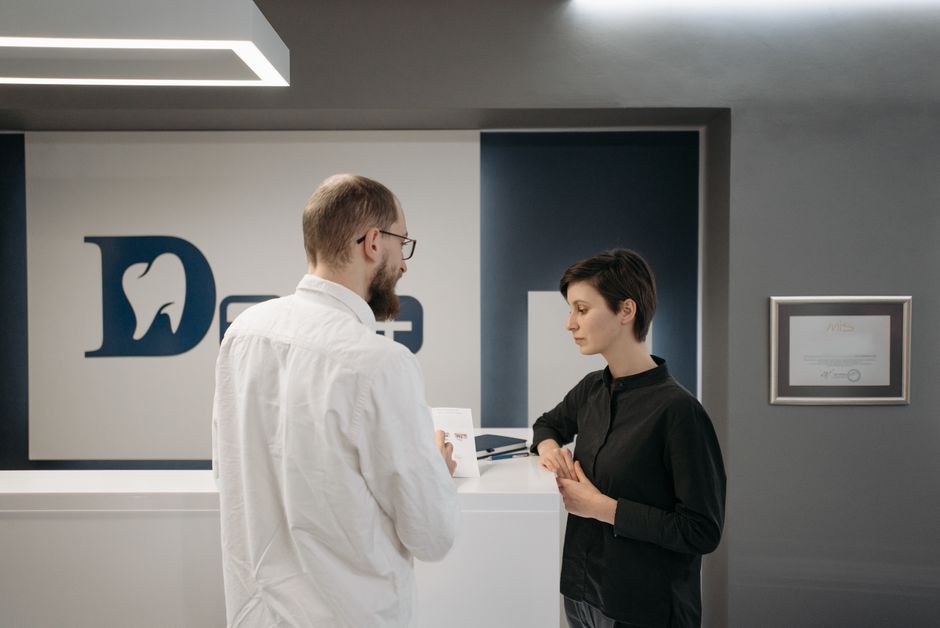
Questions patients ask and the page that should answer them
A simple way to plan the work is to list the questions patients ask assistants and match each one to a page on your website. The table below shows common dental requests and the content that gives an assistant something to quote. Some answers belong on treatment pages, some on your about page and some in your frequent questions. Where your website has no page for a common request, that gap is usually where a rival practice is being named instead of you. Filling these gaps one by one is steady work, but each completed page can bring patients for years. The table is a starting point that the tool then tailors to the searches in your own area.
| What patients ask an assistant | What should answer it on your website |
|---|---|
| A gentle dentist for an anxious adult or child | A page on nervous patients and children, with the sedation options and the approach you use |
| Who does implants or Invisalign nearby and what it costs | Treatment pages with real price ranges, financing and the number of cases treated |
| An emergency dentist open today | Emergency hours, the phone number to call and what counts as an emergency |
| A dentist that takes a specific insurance plan | A clear list of accepted plans and how billing works |
| The best reviewed practice in a neighbourhood | Recent reviews on Google and health directories, and the neighbourhoods you serve |
Credentials, care and the claims assistants avoid
Assistants are cautious with health topics, so dental content must be accurate, careful and clearly attributed. Pages that promise painless treatment, guaranteed results or instant cures can lower trust rather than raise it, both with patients and with the systems that read them. Naming the dentist who wrote or reviewed a page, along with their qualifications, gives the assistant a reason to treat the page as expert content. Explaining risks and alternatives honestly also helps, because it shows the practice puts patient welfare first. These habits match the expectations of dental regulators as well as search engines. Careful, expert writing is therefore both the ethical choice and the visible one.
Technical access is the other quiet requirement that many practices miss. Some website builders and security plugins block the search bots of AI engines by default, which keeps a practice out of answers no matter how good its content is. Booking systems that hide opening hours or prices inside scripts can leave an assistant with nothing to read. The AI Search Visibility Checker checks your robots file and your pages for these blocks and gives you the exact lines that let each engine in. It also confirms that your key facts appear as plain text rather than only inside images or widgets. Fixing access first means every later improvement can actually be seen.
A monthly routine that keeps your practice in the answers
AI answers shift as new reviews, new pages and new competitors appear, so visibility needs a routine rather than a single project. A sensible month for a dental practice starts with the treatment that brings the most value, such as implants or orthodontics, and makes sure its page answers every common question. It continues with a review request to every patient seen that month and a check that the practice details match across directories. It ends with a reading of the answers assistants give for your key requests in your area. Over a few months this rhythm builds the evidence that keeps a practice in the recommendations. You can read the full method in our guide to the AI search visibility checker.
The routine also makes the results visible, which helps you decide where to spend chair time and budget. The monthly report shows the pages improved, the reviews gained, the listings confirmed and the answers that now name your practice. When a treatment page starts bringing enquiries, you can extend the same approach to the next treatment. When an answer still names a rival, the report shows what that rival has that you lack, such as more reviews or a clearer page. This feedback turns AI search from a mystery into a managed channel. Practices that keep the routine going usually find it becomes one of their most dependable sources of new patients.
See what AI assistants say about your practice
The quickest start is a reading of your practice and the area you serve. Describe your practice in a few sentences on the homepage, and the AI online marketer built for local practices and the patients they want runs at once. It shows the searches patients make, the practices that win them and the gaps in your own website. After you sign up, the AI Search Visibility Checker opens on your website with that reading already in place. Your trial credits are enough to read your website and fix the page that matters most. From there, each improvement is measured, so you can see your practice move into the answers patients rely on. This tool is one part of a wider plan, and AI marketing for dentists shows how every tool works together for a dental practice like yours. The families asking AI for a dentist tonight could be your patients next month.
Questions about the AI search visibility checker for dentists
- What do patients ask AI assistants about dentists?
- They ask which practice nearby is good with nervous patients, who offers implants or emergency care, and which dentists accept their insurance.
- What does an assistant need to read on a dental website?
- Clear treatment pages, opening hours, emergency availability, accepted insurers and the dentists' credentials, written in plain words rather than brochure language.
- Which sites shape what assistants say about a dental practice?
- Google reviews, dental and health directories and insurer lists, because assistants check that your details agree across them.
- How often should a practice check its AI visibility?
- Once a month is enough for most practices, so you can see whether the treatment pages and listings added since the last check changed the answers.