 AI Web Marketing Tools
Google Business Profile optimizer for plumbers: rank in the map when pipes burst
The Google Business Profile optimizer for plumbers sets service areas for a company that travels to the job, hours that match when you really answer, and job photos that prove the work is real. Every part is ready to paste, and the calls your profile brings are counted.
Write your Google Business Profile
Most plumbing emergencies begin with a homeowner typing plumber near me into a phone and calling one of the first three names on the map. Those three names are chosen by how each company's Google Business Profile matches the search, how close the company is and how much trust it has built through reviews and listings. A plumbing profile with the wrong category, no service area and hours that end at five quietly hands those calls to competitors. A profile set up carefully can win searches across every town the company serves, at any hour it really answers the phone. Every element of a plumbing profile can be drafted by the AI Google Business Profile Optimizer, which also schedules the small weekly tasks. This page explains the setup that brings plumbing calls from the map.
Service area settings for a company that travels to the job
Most plumbing companies serve customers at their homes rather than at a shop, which Google treats as a service area business. Plumbers who run the business from a yard or a spare room can keep that address private and display their coverage towns instead. Naming the towns your vans really visit lets the map show you there, though your base location still weighs on ranking. Listing places you never visit does more harm than good, because callers from those towns will be disappointed. The tool reads the searches in your area and helps you choose the towns that matter, ready to paste into the profile. A well defined service area is the foundation of a plumbing profile that ranks where your vans actually go.
Categories decide which searches the profile can win, so they deserve as much thought as the service area. The primary category for most companies should be Plumber, while secondary categories can cover drain cleaning, water heater work, gas services or bathroom remodelling where Google offers them and the company truly does the work. Choosing categories you cannot support brings calls you cannot take and reviews you do not want. Category suggestions come from studying the plumbers who already top your map, each one explained. It never suggests stuffing keywords into the company name, which risks suspension. Honest categories give Google clear reasons to show your company for the jobs you want.
Hours that match when you really answer
Hours matter more in plumbing than in almost any other trade, because many searches happen at night and at weekends. If your company offers emergency service, the profile should show it clearly, and the hours should reflect when someone actually picks up the phone. A profile that claims to be open around the clock while calls go to voicemail damages trust and earns poor reviews. A profile that shows closed in the evening when you do take emergency calls loses the most valuable jobs. The tool prepares hours that match your real availability, including holiday and seasonal changes. Accurate hours make sure the map sends you the calls you can answer.
The services list and the description then tell homeowners exactly what you handle. Each service, such as leak repair, drain unblocking, water heater installation, toilet repairs or repiping, can be listed with a short plain description. The description itself can open with your main services, name the towns you cover and state facts such as your licence, your years in business and any guarantee you offer. Links and sales slogans are banned in that box, so the draft sticks to plain facts that fit Google's limit. Everything it writes comes from facts you confirm. A clear description helps a worried homeowner decide to call you rather than the next name.
Job photos that prove the work is real
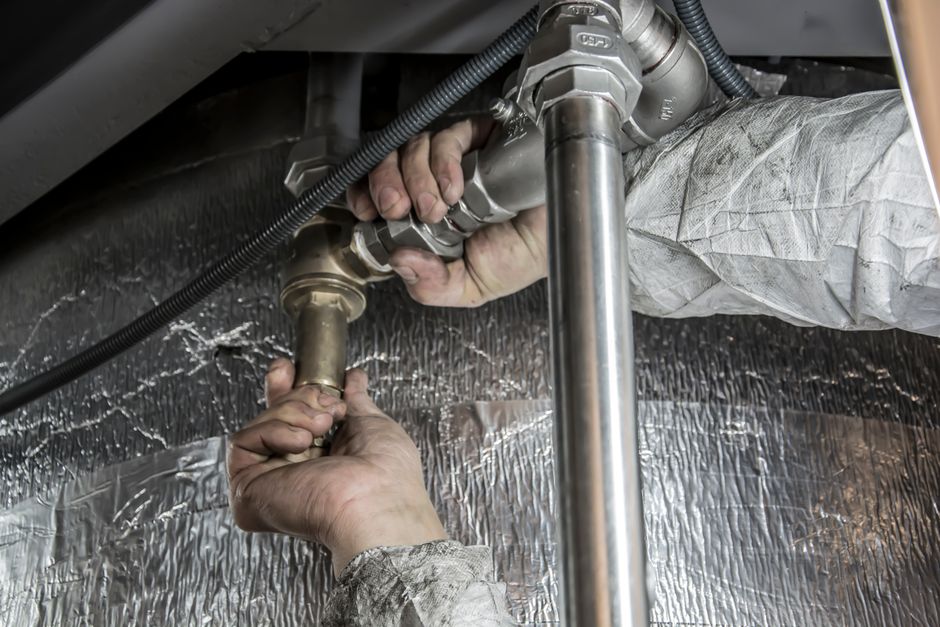
Photos of real plumbing jobs build trust faster than any slogan. The tool prepares a photo list for a plumbing profile, including your vans with the company name, technicians at work, finished installations and tidy work areas after a job. Before and after photos of a repair show the quality of your work in a way homeowners understand immediately. A handful of fresh job photos each month signals a company with full diaries. Give each image a plain file name, such as kitchen leak repair, before uploading it. A gallery full of real work makes the decision to call much easier for a stressed homeowner.
Posts give the profile a pulse between jobs. The tool plans one short post a week around the plumbing year, such as frozen pipe prevention before winter, water heater checks, drain care after the holidays or outdoor tap shutoff in autumn. Posts finish with a direct prompt to phone or book, so readers can act while the advice is fresh. Posts stay practical and honest, giving homeowners useful advice rather than hard selling. Nothing is published until you say so, and the schedule means even a frantic week still gets its post. Regular posts keep the profile looking active to homeowners and to Google alike.

What a plumbing profile needs, part by part
A complete plumbing profile is built from a handful of parts, each with its own role in ranking and in winning the call. The pieces of a plumbing profile, side by side, look like this. You paste or approve each part, which usually takes a few minutes a week once the first setup is done. Google's paid Local Services Ads are a separate programme with their own screening, and the tool keeps them apart from the profile work. Getting the basic profile right comes first, because every paid option builds on it. With each part in place, the profile works for you every hour the phone is answered.
| Part of the plumbing profile | What the tool prepares | What it changes for homeowners |
|---|---|---|
| Service area | The towns and districts you really cover | Your company appears in the towns your vans reach |
| Categories | Plumber plus the specialties you truly do | You show for leaks, drains and water heaters alike |
| Hours | Real hours, emergency availability and holidays | Night and weekend callers reach someone who answers |
| Services and description | Each job described plainly, with licence and guarantee | Homeowners see exactly what you fix |
| Photos | Vans, technicians and finished work | Proof that the company is real and careful |
| Weekly posts | Seasonal advice with a call to action | A reason to call now and an active profile |
Reviews and the maps homeowners use besides Google
Reviews are the biggest trust factor on a plumbing profile, and recent ones matter most. Customers hear from the AI Review Management Tool a few days after the repair, with your review link one tap away. Reviews that mention a fast response, fair pricing and a clean finish strengthen the profile for urgent searches. Draft replies thank each customer by name and answer complaints without arguing, waiting for your approval. A plumbing company that reviews every job builds a record competitors find hard to match. That record lifts both the ranking and the share of homeowners who choose to call.
Some callers find plumbers through Apple Maps or through assistants that read Bing, so those maps need your details too. Your coverage towns, emergency hours and plumbing categories are prepared word for word for Bing Places and Apple Business Connect. When your hours change for a holiday or you add a new town, one checklist covers all three maps together. Matching profiles prevent emergency callers from trusting an outdated listing. Assistants answering a late night plumbing question also trust companies whose details agree everywhere. The complete method is explained in the guide to the Google Business Profile optimizer.
Counting the calls the profile brings
The real measure of a plumbing profile is the number of calls it produces, especially urgent ones. Monthly call counts, direction requests and clicks come straight from Google, while a tagged website link isolates map traffic. Those numbers appear beside each change you made, such as a new town, new photos or a run of winter posts. When a change brings more calls, you can see it and do more of the same. When nothing moves, the report shows which part of the profile still lags behind the leaders. That way, profile work is judged by the jobs it books.
Start your plumbing profile with a first reading
A first reading shows how your profile compares with the plumbers who lead your map. The first reading of the AI web marketing tools that read plumbing searches and rivals in your towns on the homepage takes about a minute. It names the plumbers who answer urgent searches in your towns and what their profiles do better. Sign up and the AI Google Business Profile Optimizer opens with your licence, towns and hours already entered. Service area, categories and description can all be prepared within the trial. The work on this page sits beside the rest of your marketing, so AI marketing for plumbers, tool by tool sets out what each part does for a plumbing company. The next homeowner with water on the floor could be calling you from the map tonight.
Questions about the Google Business Profile optimizer for plumbers
- How should a plumber set service areas?
- List the towns you really serve and hide a home address if customers do not visit it.
- Should a plumbing profile show 24 hour hours?
- Only if you really answer at night, because buyers and Google penalise hours that are not kept.
- Why do job photos matter on a plumbing profile?
- Real photos of finished work prove the company is genuine and active.
- How are calls from a plumbing profile counted?
- Taps on your number and calls from the profile are counted, so you can see what it brings.